How can Smart Logistics help a Warming Planet? The Urgency of IoT in Cold Chain Monitoring
As global temperatures rise, the cold chain faces unprecedented challenges. But beyond the general need for smart logistics, there’s a deeper layer of complexity that many overlook: the precise temperature sensitivities of goods, regulatory standards, and the science of vaccine preservation. This is where IoT becomes not just helpful, but essential.
Why Traditional Cold Chains Fail in a Warming World
Most cold chains operate on broad temperature categories like “frozen” or “chilled.” However, pharmacopoeial standards (European, WHO, US, Japan) define these ranges with precise thresholds:
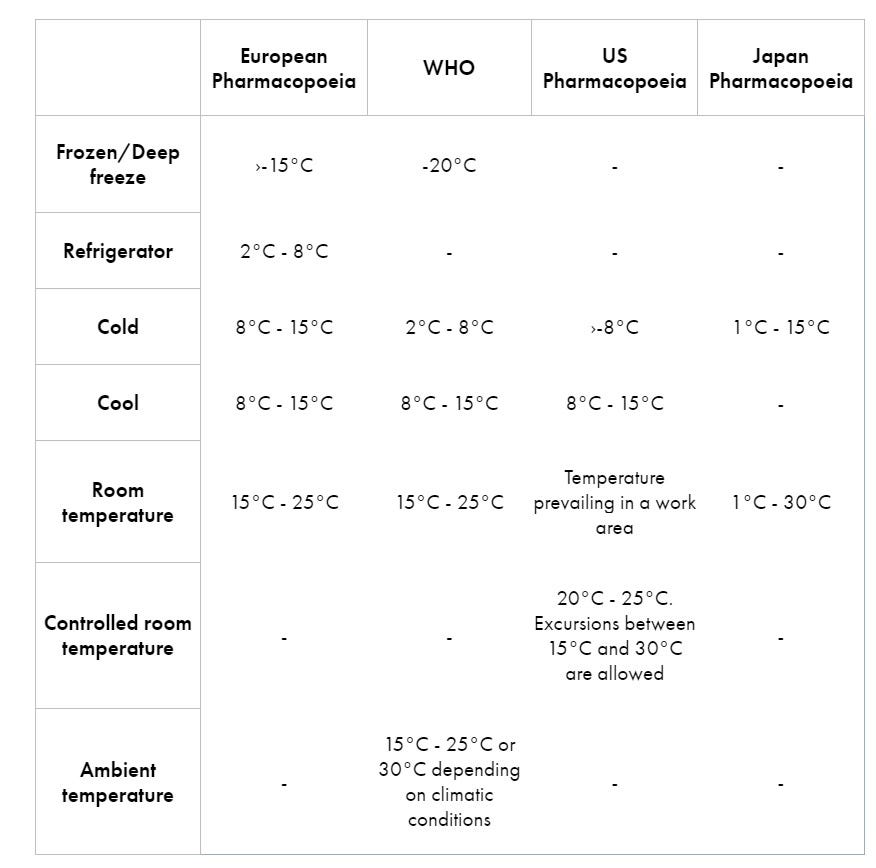
Without IoT, maintaining these exact ranges, especially during transit is nearly impossible. A few degrees off can mean vaccine degradation or food spoilage.
The Hidden Risks: Vaccine Sensitivity to Heat and Freezing
Did you know that HepB, PCV, and Penta vaccines freeze at just -0.5°C? Or that IPV, DPT, and TT freeze at -3°C? These thresholds are dangerously close to standard freezer temperatures used in logistics.
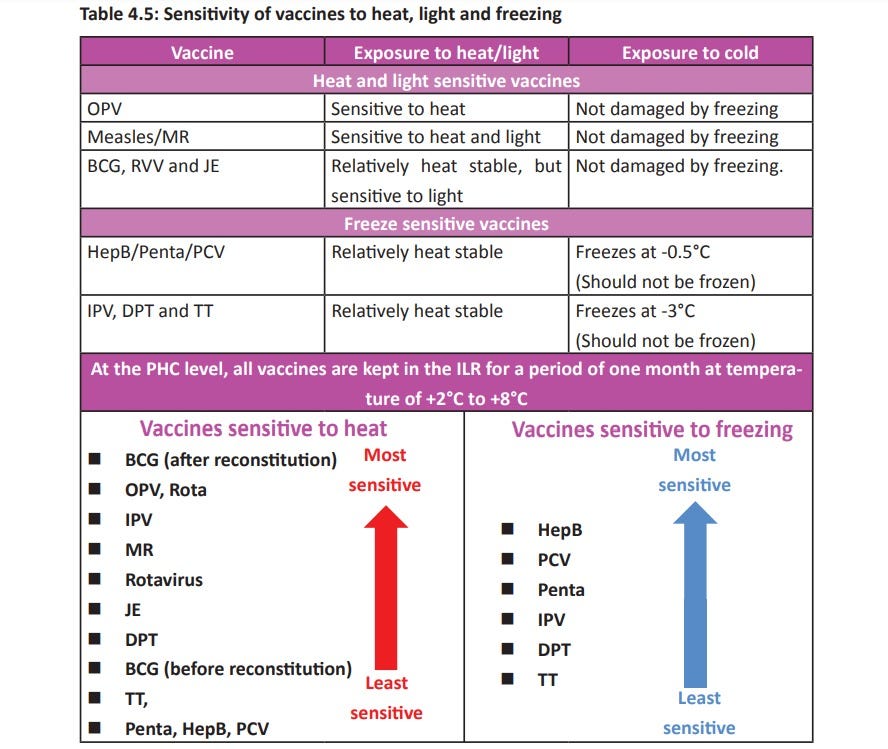
IoT platforms like SenzMate’s Polar can detect and alert when temperatures approach these critical points, preventing irreversible damage. Moreover, vaccines like BCG (after reconstitution), OPV, and MR are highly sensitive to heat and light, requiring real time monitoring, not just periodic checks.
Beyond Monitoring: IoT as a Compliance and Optimization Tool
Food and pharma regulations demand continuous, auditable temperature logs. IoT systems provide:
- Real time alerts for threshold breaches
- Historical tracking for audits
- Predictive analytics to prevent failures before they occur
- Energy optimization by reducing unnecessary cooling cycles
This isn’t just about safety, it’s about cost savings and carbon reduction.
Cold Chain Emissions: The Silent Contributor to Climate Change
Cold chain logistics contribute significantly to emissions due to inefficient cooling and poor route planning. IoT platforms like Polar help:
- Optimize delivery routes to reduce fuel use
- Minimize cooling cycles based on real-time data
- Enable smart storage that adapts to ambient conditions
This transforms cold chains from carbon heavy systems into climate aligned logistics networks.
What Most Don’t Know: Ambient vs. Controlled Room Temperature
Many assume “room temperature” is safe for all goods. But WHO defines ambient temperature as 5°C–25°C or up to 30°C depending on climate, while US Pharmacopoeia allows CRT excursions only between 15°C and 30°C. In tropical regions, ambient conditions often exceed these limits, making IoT monitoring non-negotiable.
Conclusion: Cold Chain Intelligence for a Hotter Planet
Smart cold chain logistics aren’t just about sensors, they’re about understanding the science behind temperature thresholds, vaccine sensitivities, and regulatory standards. IoT platforms like SenzMate’s Polar empower businesses to go beyond general monitoring and build resilient, compliant, and sustainable supply chains.
In a warming world, precision is protection and IoT is the key.
