Vertical Farming: Revolutionizing Farming with Sustainable Practices and Smarter Decisions.
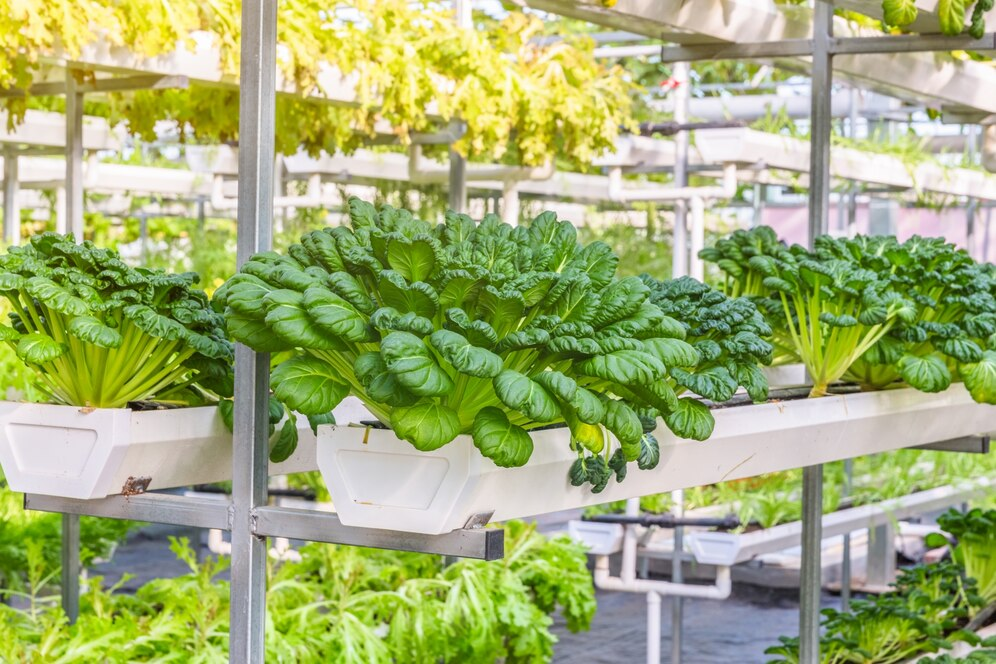
For centuries, conventional farming has been the primary method of food production, relying on vast stretches of land, natural sunlight, and seasonal weather patterns. While this approach has sustained human civilization, it faces growing challenges such as climate change, soil degradation, water shortages, and the increasing demand for food due to rapid urbanization and population growth. Traditional farming also requires significant land and labor, making it less feasible in densely populated areas.
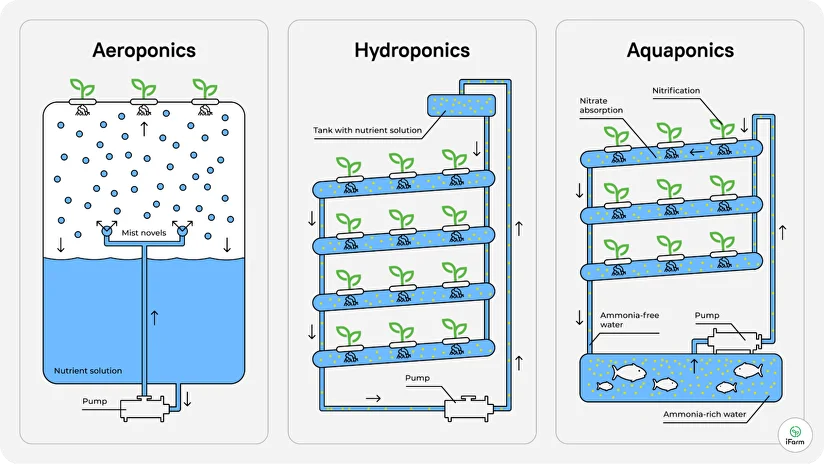
To address these challenges, vertical farming has emerged as an innovative alternative. Unlike conventional farming, vertical farming grows crops in stacked layers within controlled indoor environments, using techniques such as hydroponics (growing in nutrient-rich water) and aeroponics (growing with misted nutrients). This method significantly reduces water usage, eliminates the need for pesticides, and allows for year-round food production in urban settings. By bringing agriculture closer to consumers, vertical farming helps reduce transportation costs and carbon emissions, making food production more sustainable and efficient.
The growing global population and expanding urban areas are creating a greater demand than ever before for locally grown, sustainable, and fresh food as cities grow and farmland shrinks. Vertical farming is emerging as a game-changer in urban agriculture. Unlike traditional open-field farming, which relies on unpredictable weather and chemical pesticides, vertical farms operate in controlled environments that optimize plant growth, reduce water waste, and bring fresh produce closer to urban consumers.
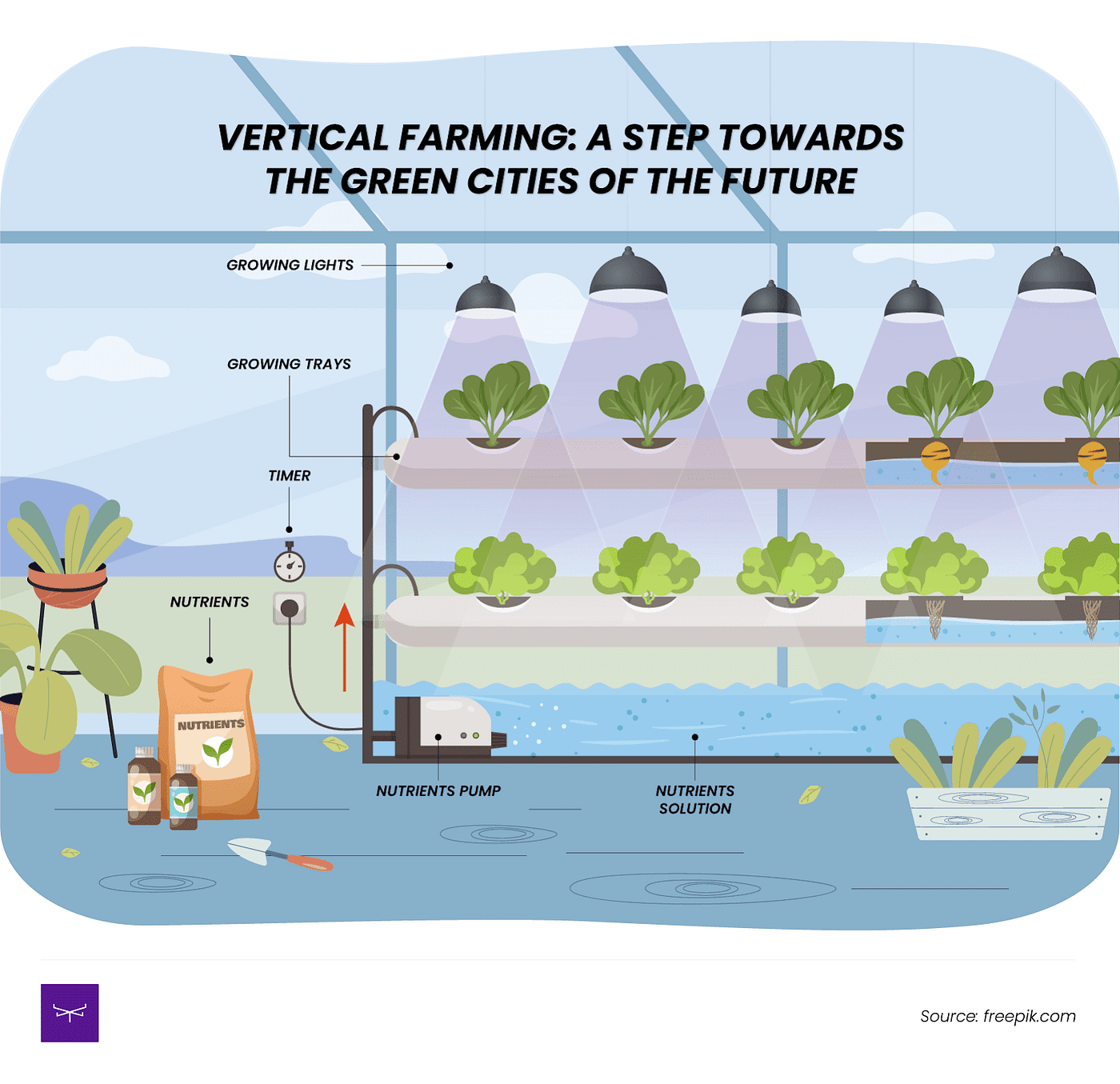
- Water Efficiency: Hydroponic farms use 90% less water, and aeroponic systems save an impressive 95% compared to traditional farming.
- Pesticide-Free: Vertical farms significantly reduce or eliminate the need for harmful chemicals.
- Less Food Waste: Growing food closer to cities cuts down on spoilage during transportation, improving food security.
However, managing a vertical farm requires deep knowledge and real-time monitoring — which is where SenzAgro’s smart technology plays a vital role.
Revolutionizing Vertical Farming with Smart Technology
Real-Time Monitoring with IoT Sensors
Tiny smart sensors constantly track:
- Temperature, humidity, and CO₂ levels to maintain the perfect climate
- Soil and water nutrient levels for precise feeding
- Plant growth patterns to detect problems before they become serious
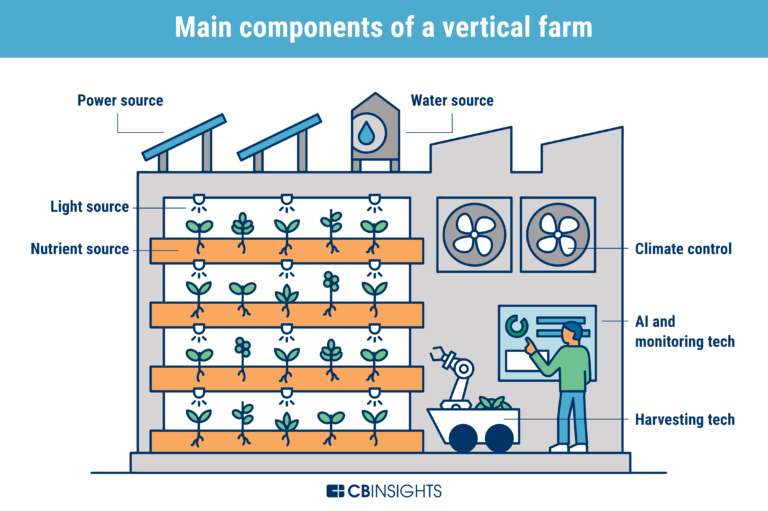
Using automated systems, SenzAgro’s technology adjusts environmental conditions in real-time, ensuring plants get exactly what they need — without human intervention.
AI-Powered Predictions for Better Harvests
Traditional farming often depends on experience and guesswork, but AI revolutionizes the process by providing accurate predictions.
By analyzing historical data, AI can forecast plant health trends, detect potential pest outbreaks before they occur, and determine optimal harvest times to maximize yield. This data-driven approach leads to healthier crops, reduced losses, and increased profitability for farmers
Smart Water & Energy Management
One of vertical farming’s biggest advantages is resource efficiency. With AI-driven solutions, SenzAgro ensures:
- Automated irrigation adjusts based on real-time soil moisture levels
- Precision nutrient delivery prevents overuse or deficiency
- Optimized LED lighting schedules reduce electricity costs while promoting plant growth
Compared to traditional farms, these AI-powered adjustments reduce water consumption by up to 95% — making vertical farming one of the most sustainable food production methods.
AI Dashboards for Smarter Farming Decisions
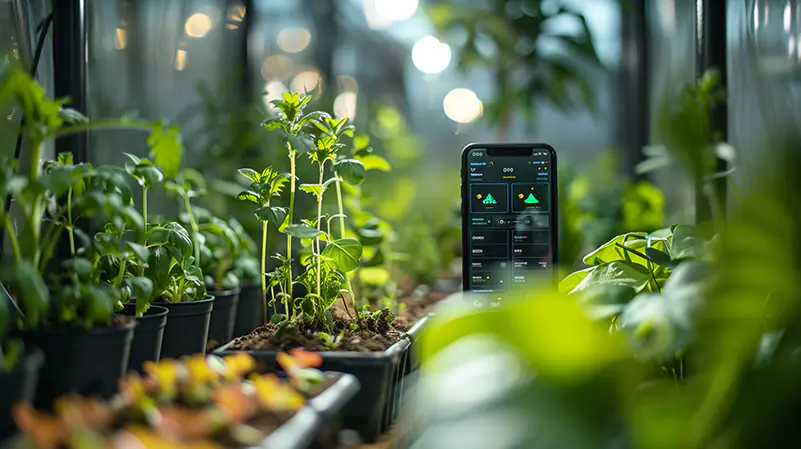
With AI-powered control panels, farmers can stay informed and make smarter decisions. They receive real-time alerts on farm conditions, track performance data across different crops, and access data-driven recommendations to improve yields. This technology enhances efficiency, reduces risks, and ensures optimal farm management.
How SenzAgro Helps Bridge the Knowledge Gap & Urban Farming Challenges
Major challenges in urban vertical farming are the lack of traditional farming knowledge and higher vulnerability to pests and fungi due to enclosed spaces, which create ideal conditions for their spread. Additionally, improper farming practices can lead to plant stress and low yields, impacting productivity and sustainability., Unlike open-field farmers, many urban growers don’t have experience in:
- Crop selection for controlled environments
- Understanding plant health in vertical structures
- Managing water, fertilizer, and climate controls efficiently
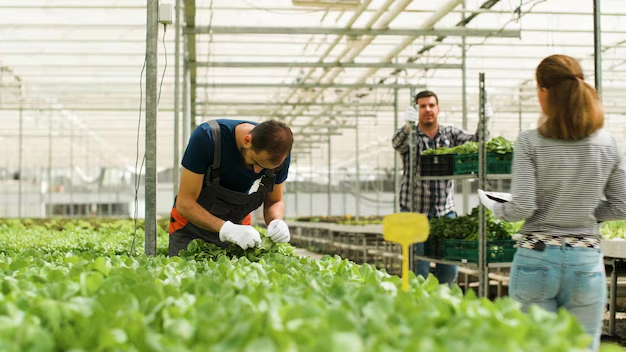
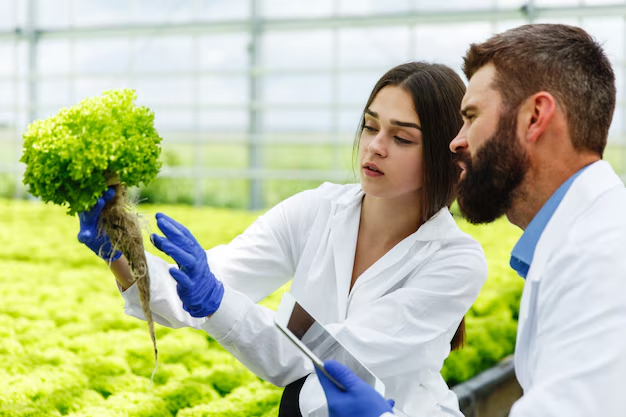
SenzAgro bridges this gap by providing continuous guidance through an AI-powered monitoring system that analyzes plant conditions in real-time, ensuring optimal growth and early detection of issues. To support sustainable vertical farming, we also provide farmer education programs focused on best practices. Additionally, our automated nutrient and water flow control system minimizes human error, enhancing efficiency and crop yield.
This ensures plants stay in optimal conditions, reducing crop failure rates and making urban farming financially sustainable.
SenzAgro Case Studies: Smart Vertical Farming in Action
1. Canada — Dunya Habitats
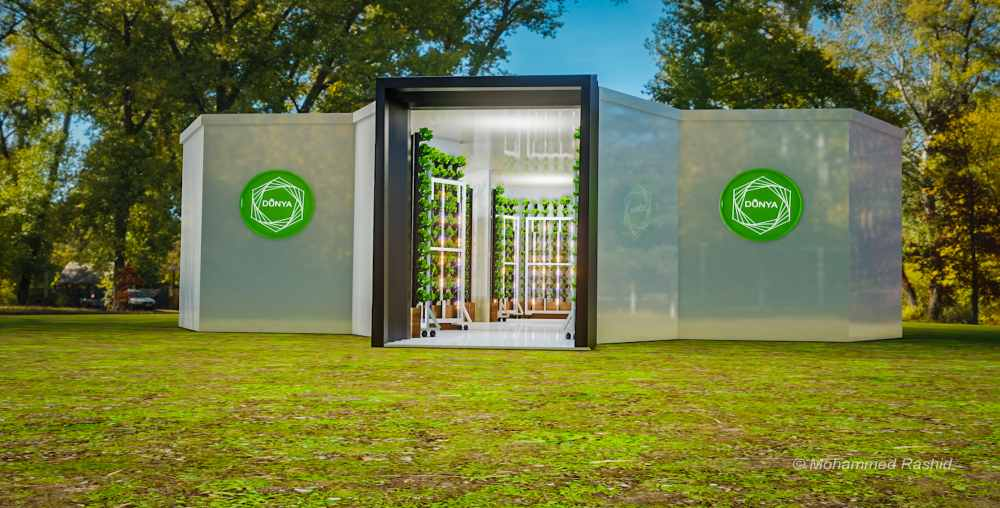
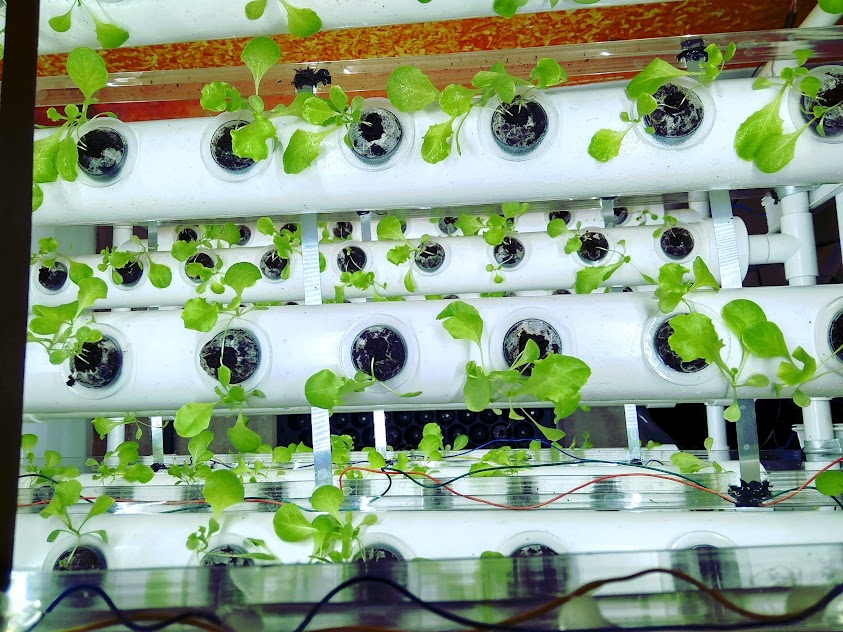
Dunya Habitats is a Canadian startup specializing in cubical vertical farms designed for urban restaurants. These innovative farms provide fresh produce right in the restaurant’s backyard, ensuring maximum freshness and sustainability. These cubical vertical farms are fully automated with SenzAgro’s sensors, light controllers, and nutrient systems, they offer a seamless, high-tech solution for urban food production.
2. Sri Lankan Hydroponic Farming (NFT System)
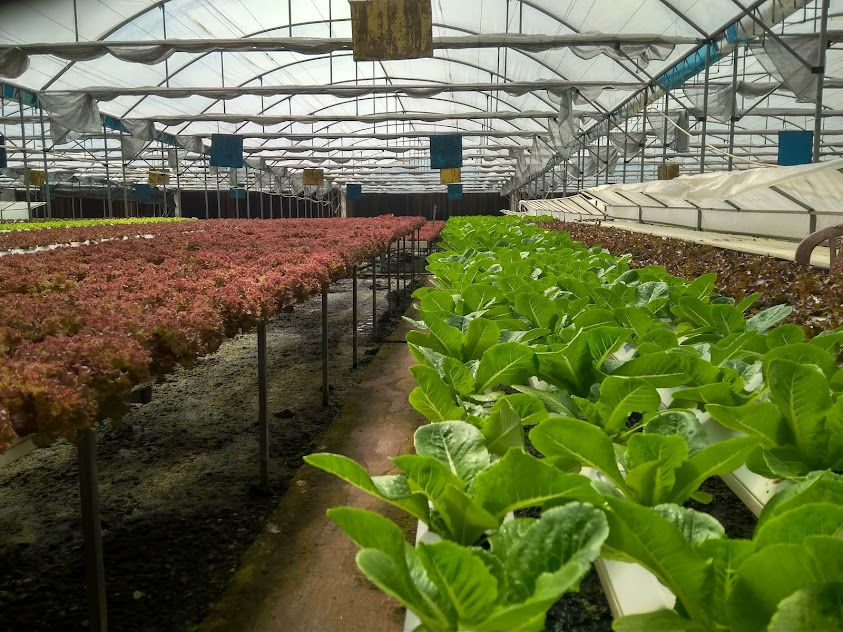
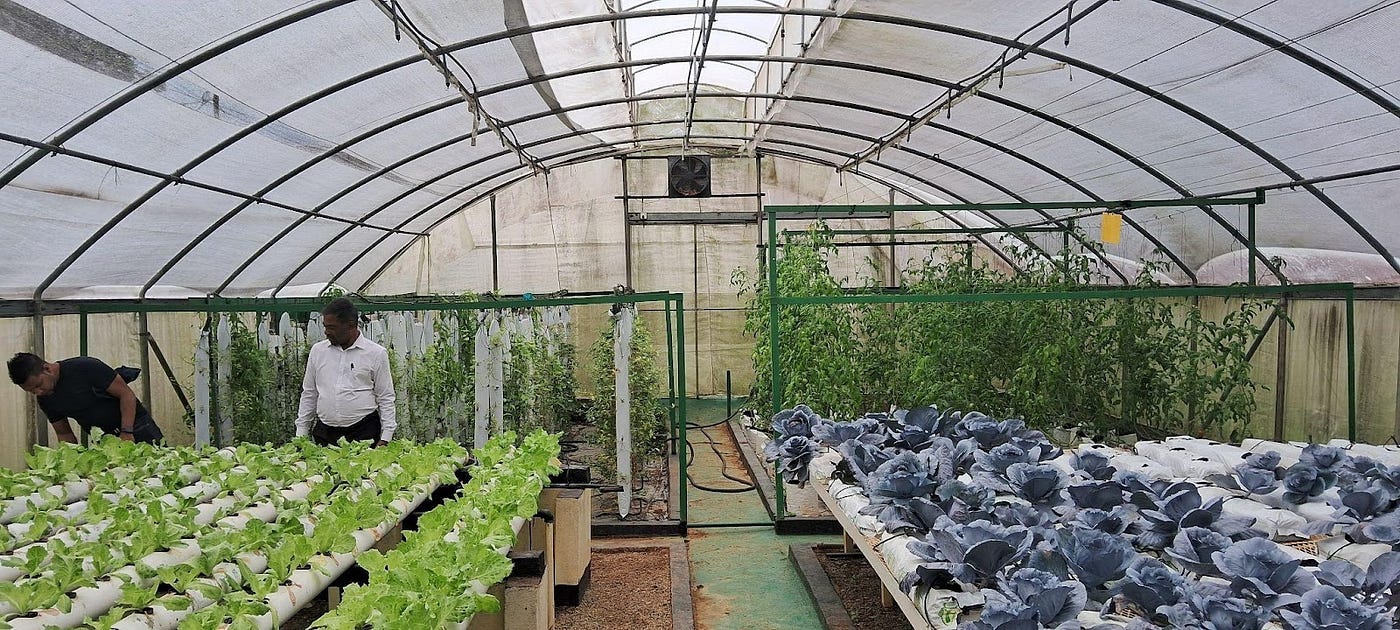
SenzAgro has automated hydroponic farming across Sri Lanka, enabling farmers to grow over 15 varieties of leafy greens using the NFT (Nutrient Film Technique). Our advanced system optimizes nutrient flow and climate control, ensuring high yields without risk, even in challenging tropical conditions.
3. Malaysia — SenzAgro & IRGA — Advancing Smart Farming with IoT
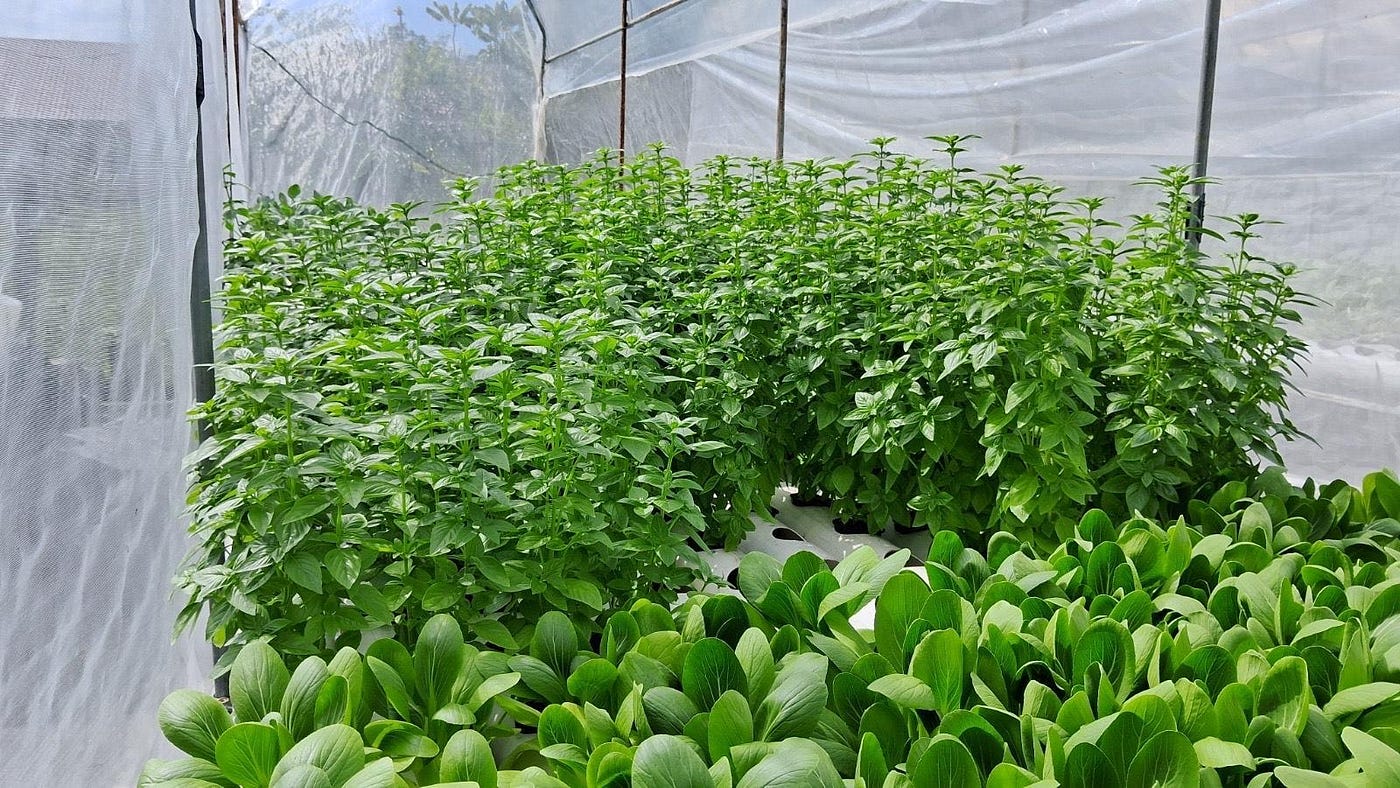
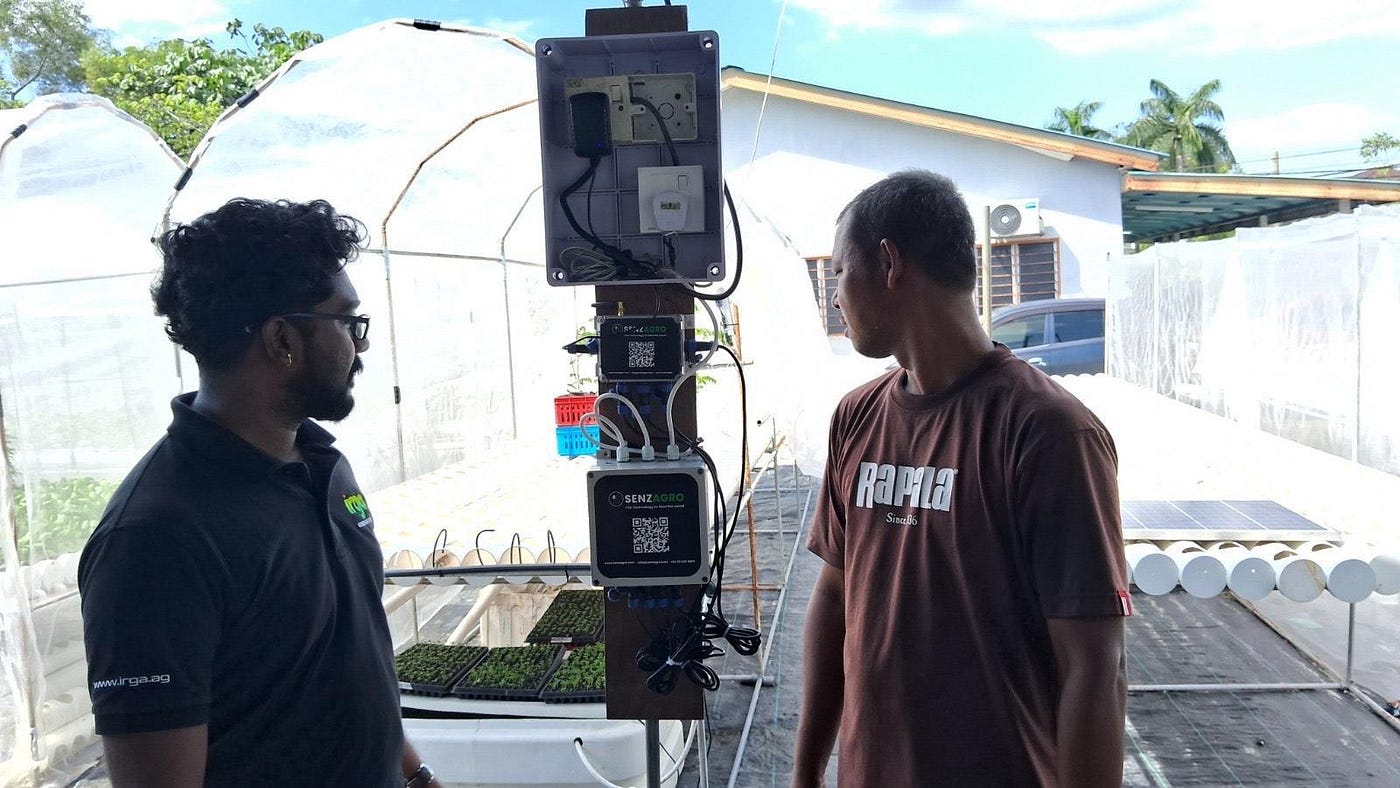
IRGA needed a precision farming solution to improve water management, climate control, and resource optimization for over 10,000 farmers across nine countries. Traditional farming inefficiencies, including water overuse and inconsistent crop monitoring, highlighted the need for an advanced, data-driven approach.
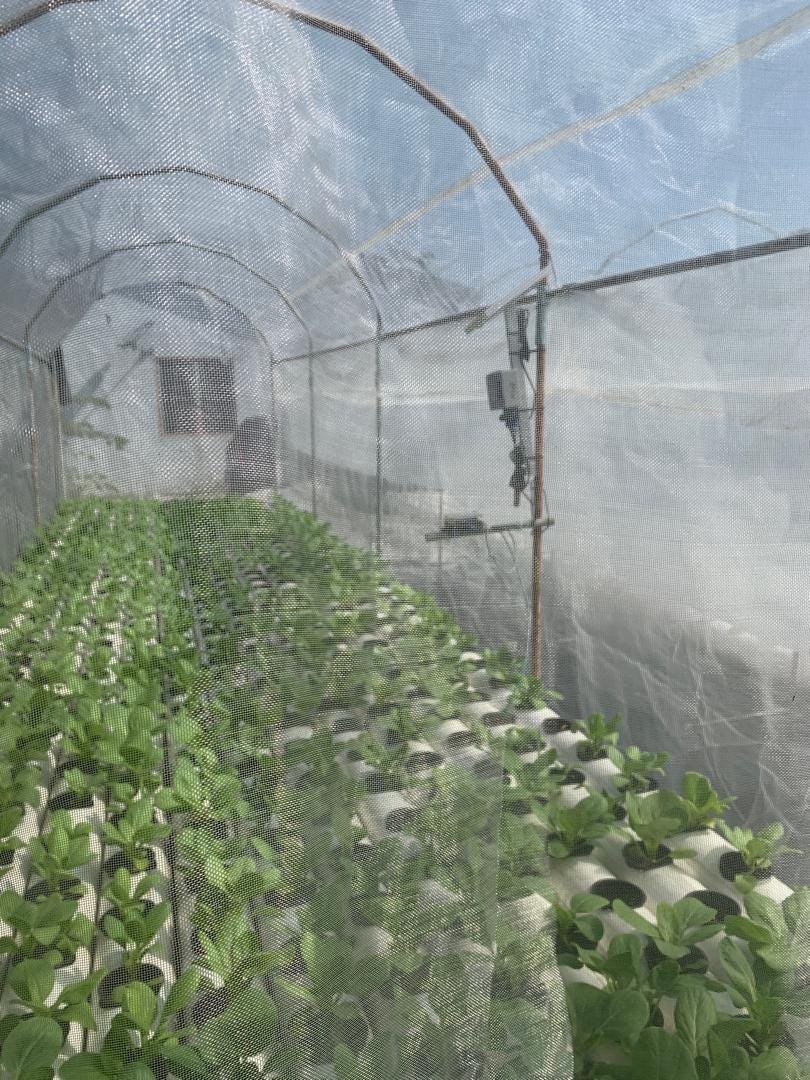
By integrating SenzAgro’s IoT-driven technology, IRGA enabled real-time monitoring of key environmental factors such as temperature, humidity, and soil moisture. Smart irrigation systems optimized water use, while AI-powered insights helped farmers make informed decisions, enhancing crop yields and reducing waste.
This collaboration boosted productivity, water savings, and urban farming expansion through IRGA’s URBi Greenhouse Project, setting a new standard for smart, sustainable agriculture in a rapidly growing $71.5 billion IoT-agriculture market.
Urbi
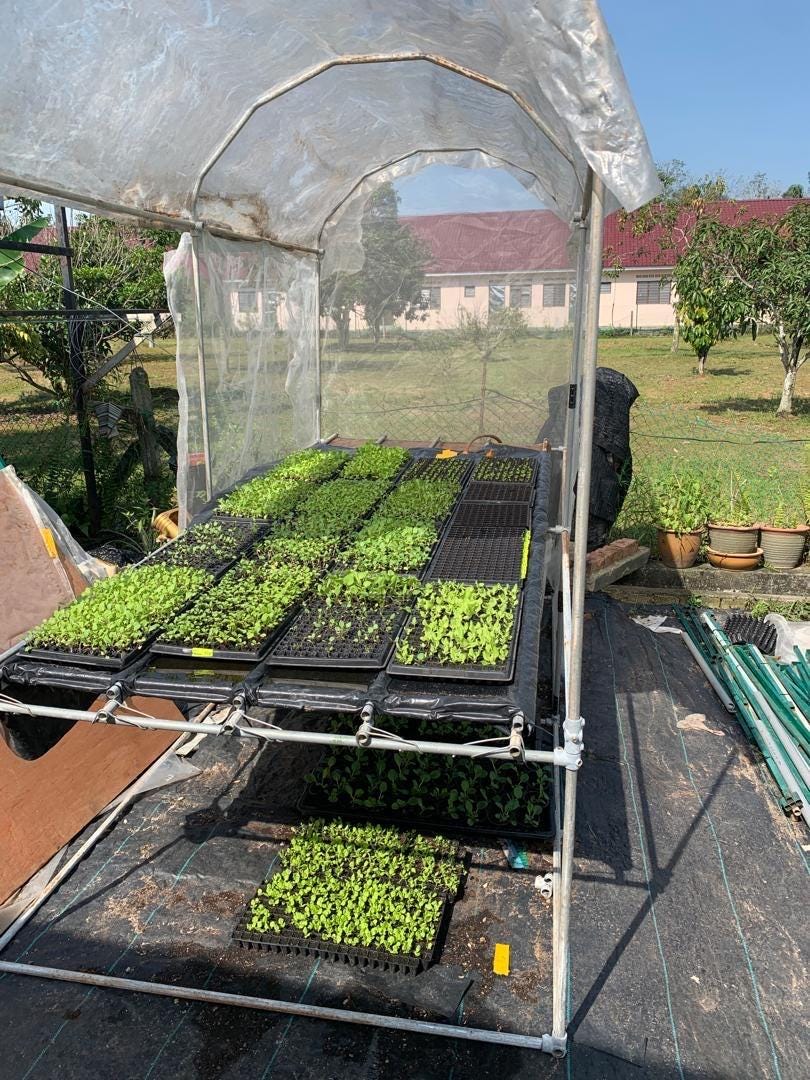
SenzAgro has powered Urbi, a portable hydroponic farming solution designed for urban households in Malaysia. Urbi offers an affordable, easy-to-move vertical farming system that allows families to grow fresh, pesticide-free, and chemical-free produce at home. With built-in automation for monitoring and precise nutrient control, Urbi ensures optimal growth conditions, making sustainable farming accessible to everyone.
Vertical farming is more than just growing crops — it’s about revolutionizing agriculture with smart technology. By harnessing data analytics, IoT sensors, and AI-driven automation, modern farms can operate more efficiently and sustainably. SenzAgro minimizes waste, saves up to 95% water, and maximizes yields while ensuring pesticide-free, nutritious produce. By bringing fresh food closer to consumers, we make urban farming a sustainable reality, shaping a greener, smarter future in agriculture.
With SenzAgro’s advanced solutions, urban farms are no longer just an idea — they are a sustainable reality. We bring fresh, nutritious food closer to consumers while paving the way for a greener, smarter future in agriculture.
