Exploring the Future of Food Production: The Rise of Hydroponic Farming in Sustainable Agriculture
In recent years, the global agricultural landscape has been undergoing a significant transformation, driven by the urgent need for more sustainable and efficient methods of food production. Among the most promising innovations is hydroponic farming, a method of growing plants without soil, using nutrient-rich water instead. This farming technique has gained considerable traction due to its potential to address the challenges posed by traditional agriculture, such as land degradation, water scarcity, and climate change. Today, hydroponic systems are no longer just a niche experiment but are rapidly being adopted in urban centers, research institutions, and commercial farms worldwide.
The aim of this blog is to explore how hydroponic farming is reshaping the future of food production. We will delve into the current state of hydroponic farming, examine the key factors driving its rise in sustainable agriculture, and discuss the future potential of this technique in addressing global food security challenges. By the end of this blog, readers will have a comprehensive understanding of hydroponics, its benefits, and how it plays a vital role in creating a more sustainable and resilient food system.
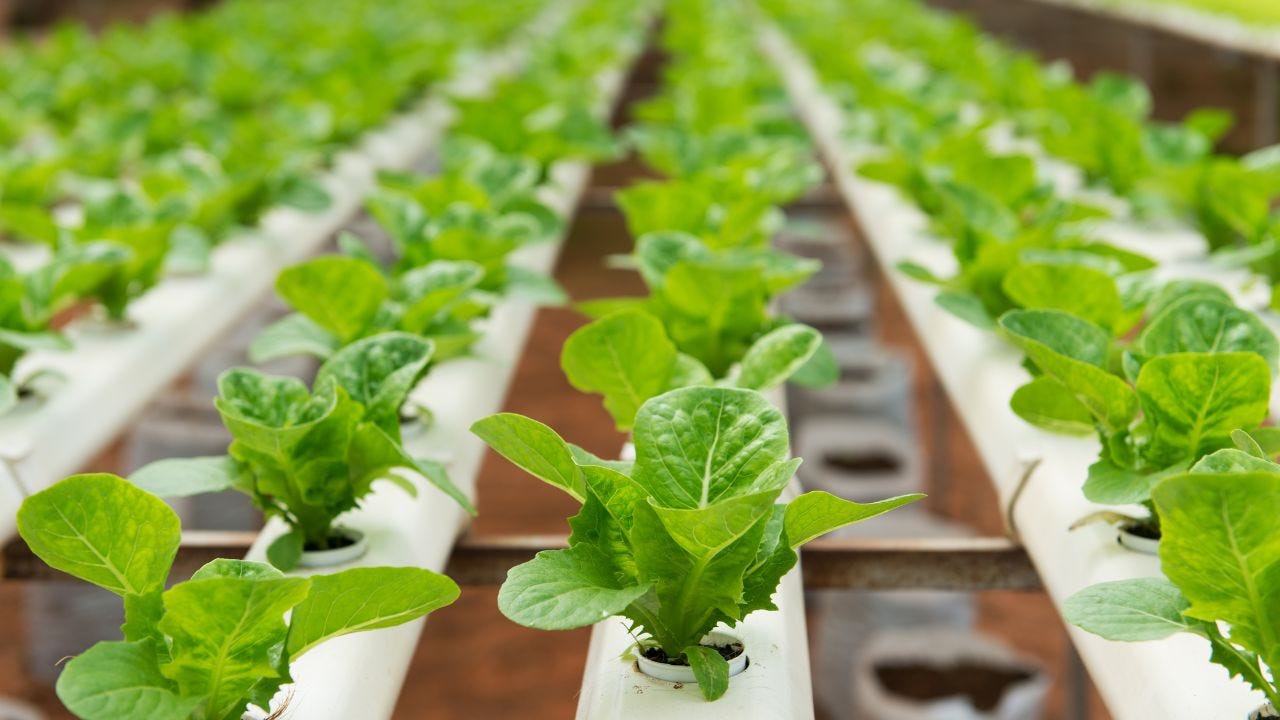
The Rise of Hydroponic Farming
Hydroponic farming represents a shift in how we think about growing food. Unlike traditional soil-based agriculture, hydroponics uses a water-based solution enriched with essential nutrients to support plant growth. This method eliminates the need for arable land, making it especially valuable in urban areas where land availability is limited.
The key benefits driving the adoption of hydroponic farming include:
- Water Efficiency: Hydroponics uses up to 90% less water than traditional farming, making it crucial for areas experiencing water scarcity and drought.
- Space Optimization: Hydroponic systems enable vertical farming, increasing crop production per square foot, making them ideal for space-limited urban environments.
- Sustainability: By eliminating the need for chemical pesticides and reducing soil erosion, hydroponic farming promotes environmentally friendly food production.
- Faster Growth Cycles: Plants in hydroponic systems often grow faster than those in soil, which allows for multiple harvests throughout the year.
Despite these benefits, challenges still remain. High initial costs, technical complexity, and reliance on continuous electricity for system maintenance are some of the barriers that have slowed wider adoption. However, with ongoing advancements in technology, these challenges are being addressed, making hydroponics a more feasible option for farmers worldwide.
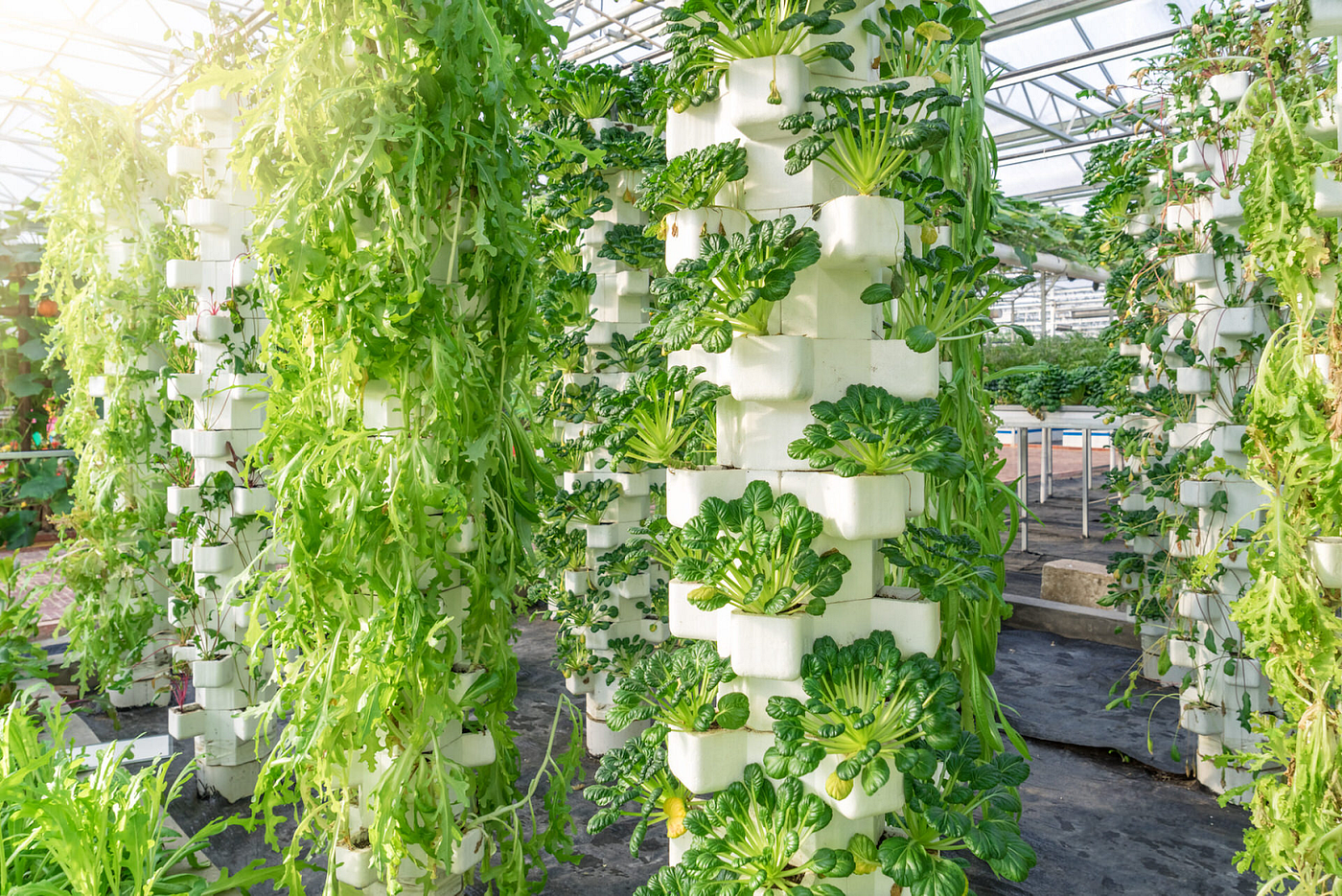
Future Improvements and Innovations
Looking to the future, hydroponic farming is poised for significant improvements and innovations that could further accelerate its role in sustainable agriculture. Some of the key areas for future growth include:
- Automation and Artificial Intelligence (AI): AI and automation in hydroponic systems enable precise control over factors like light, temperature, and nutrients, boosting yields, reducing waste, and optimizing resources.
- Solar-Powered Systems: Solar-powered systems in hydroponic farming reduce reliance on external power, lowering costs and boosting sustainability.
- Affordable Technology: Advancements in technology and economies of scale will lower the cost of hydroponic systems, making them more accessible to small-scale farmers and home growers.
- Expansion into Vertical Farms: Vertical farming can transform buildings into high-yield hydroponic farms, boosting food production in urban areas and reducing transportation-related carbon emissions
- Integration with Urban Infrastructure: In the future,Hydroponic farms could be integrated into urban spaces, reducing food transportation distances and making food fresher and more affordable
Conclusion
Hydroponic farming is a key part of the future of food production, offering an innovative solution to challenges like urbanization, climate change, and resource scarcity. It uses fewer resources, produces higher yields, and reduces environmental impacts, making it a sustainable alternative to traditional agriculture. As technology evolves, hydroponic farming has the potential to revolutionize food production and create a more sustainable, food-secure world.
