An Asian Retail Chain Restructured Staff Shifts Using Real-time Data
Retail has always been an industry of fine margins. Too few employees on the floor, and customers wait too long for service. Too many, and operating costs climb unnecessarily. For years, managers have tried to strike the right balance, often relying on experience or guesswork. But in today’s data-driven world, there’s a smarter way forward: real-time retail staffing.
One Asian retail chain recently put this concept to the test, rethinking its approach to shift management using SenzView’s real-time insights. The results were striking — employees reported greater satisfaction with their schedules, while the company cut significant costs from its labor budget.
AI-driven Workforce Scheduling for Smarter Retail
At the heart of this transformation is AI-driven workforce scheduling. Instead of managers spending hours manually creating rosters, the system analyzes sales trends, customer traffic, and employee availability to recommend the best possible shift structures.
For the retail chain, this meant moving away from static weekly rosters and embracing a model that adapts as store conditions change. Peak hours were staffed with enough employees to ensure smooth customer experiences, while slower periods were covered efficiently without overspending.
This level of retail labor optimization gave store leaders confidence that they were making decisions based on facts, not hunches. It also empowered employees with more predictable, balanced shifts — reducing last-minute changes that often cause stress and frustration.
Smart Shift Management That Benefits Everyone
One of the most noticeable improvements came from introducing smart shift management. The system allowed managers to assign shifts fairly, taking into account both operational needs and employee preferences. Workers gained more transparency into their schedules, which improved trust and morale.
From the company’s perspective, smart scheduling led to better use of resources. Labor hours were no longer wasted on overstaffed periods, and the right employees were always in place when customer demand spiked. It was a win-win: staff felt valued, and the business saw tangible efficiency gains.
How AI Creates Smarter Schedules
The retail chain’s success was driven by the intelligent application of data. Here’s how SenzView’s platform made it possible:
- How AI optimizes retail staff scheduling → The system analyzed sales records and foot traffic to predict exactly when stores would be busiest.
- Enhancing employee satisfaction through smart scheduling → Schedules became more balanced, giving employees time to rest and plan their personal lives.
- Reducing labor costs with AI in retail → By preventing unnecessary overtime and aligning staffing to real demand, the company reduced its overall labor spend.
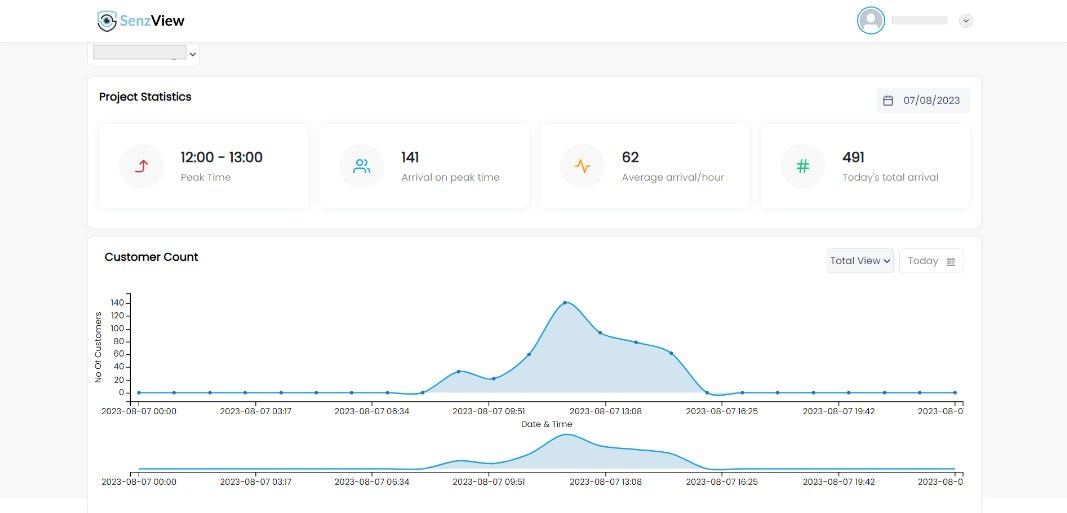
- Retail workforce analytics for better operational efficiency → Insights allowed managers to identify underperforming shifts and continuously refine staffing strategies.
- Predictive staffing tools for retail chains → The platform flagged upcoming high-demand days like holidays or special promotions well in advance, ensuring stores were never caught off guard.
- AIoT solutions for retail workforce management → By combining IoT data (like in-store footfall sensors) with AI algorithms, the platform provided recommendations that were both timely and precise.
This powerful blend of artificial intelligence and IoT created a scheduling system that was dynamic, responsive, and far more reliable than manual processes.
The Measurable Impact
The results spoke for themselves. Within a few months of adopting real-time retail staffing, the retail chain achieved:
- Higher employee satisfaction: Staff surveys showed marked improvements in how fair and predictable they felt schedules were.
- Reduced costs: Labor expenses dropped significantly as staffing levels were aligned with actual customer demand.
- Stronger customer experiences: Shoppers noticed shorter wait times, quicker checkouts, and better overall service.
By aligning business goals with employee well-being, the company not only saved money but also strengthened its workforce culture.
The Future of Retail Workforce Management

What this Asian retail chain achieved isn’t just a one-off success — it’s a preview of what’s possible for the industry as a whole. Retailers everywhere are realizing that real-time retail staffing is no longer optional. It’s becoming the standard for efficient, people-centered operations.
For businesses, the benefits are clear: reduced labor costs, improved productivity, and smoother day-to-day operations. For employees, the advantages are equally powerful: fair schedules, reduced stress, and greater work-life balance. And for customers, it all translates into better service and a more enjoyable shopping experience.
SenzView is making this shift possible by combining AI-driven workforce scheduling, retail labor optimization, and smart shift management into one seamless platform. With predictive insights, real-time analytics, and AIoT-powered tools, retailers can finally replace guesswork with data-driven certainty.
In short, real-time retail staffing isn’t just about schedules — it’s about transforming the way retail teams work, grow, and succeed. As the Asian retail chain’s story shows, the future of workforce management is here, and it’s delivering higher satisfaction and reduced costs for everyone involved.
